service

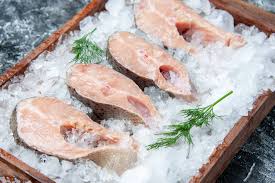
Frozen Fish

Frozen fish is a convenient and nutritious source of protein and omega-3 fatty acids. Freezing fish shortly after catching preserves its flavor, texture, and nutritional value, often better than chilled fish that has been stored for several days. Common types of frozen fish include tilapia, salmon, mackerel, and tuna. Vacuum sealing and rapid freezing techniques, such as flash freezing, help maintain the fish’s freshness and reduce ice crystal formation. Frozen fish should be kept at a constant low temperature and defrosted safely in the refrigerator or cold water before use.

From ₹200

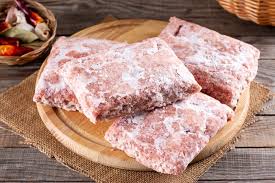
Frozen Meat

Frozen meat includes beef, lamb, pork, and other red meats that are preserved through freezing to extend shelf life and maintain quality. It retains most of its nutrients and flavor if properly stored at subzero temperatures. Freezing slows enzyme activity and bacterial growth, reducing spoilage and food waste. Frozen meat is often available as cuts, minced products, or processed items like sausages. To maintain texture and taste, meat should be frozen quickly and thawed gradually in a refrigerator before cooking.

From ₹500

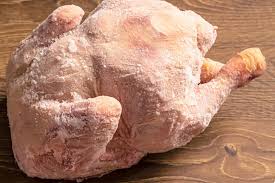
Frozen Chicken

Frozen chicken is one of the most popular frozen foods, valued for its versatility, affordability, and long shelf life. It is typically frozen soon after processing to lock in freshness and nutrients. The freezing process helps prevent bacterial growth and spoilage, making it safe for long-term storage. Frozen chicken can be found in various forms, such as whole chickens, parts (like drumsticks or breasts), or processed products like nuggets. To ensure safety and quality, it should be stored at or below –18°C and thawed properly before cooking.

From ₹350

F.A.Q.

All your frozen food questions answered — because good food deserves good care.

  • Air-blast freezing: Cold air is circulated rapidly over the food.

  • Plate freezing: Food is placed between metal plates cooled by refrigerants.

  • Cryogenic freezing: Liquid nitrogen or carbon dioxide is used for ultra-fast freezing.

  • Immersion freezing: Food is submerged in a chilled liquid (like brine or glycol).

Each method is chosen based on the food type, volume, and required shelf life.

Frozen foods should be stored at −18°C (0°F) or lower to maintain quality and safety. Any temperature fluctuations can cause thawing and refreezing, which may lead to ice crystal formation and texture damage.

Freezing slows down biochemical reactions and microbial activity that cause food spoilage. The formation of ice crystals locks in moisture, helping preserve the food’s original texture and taste if the freezing process is done quickly (as in blast freezing).
Shelf life depends on the type of food and packaging:

  • Vegetables: 8–12 months

  • Meat & poultry: 6–12 months

  • Fish: 3–6 months

  • Ready meals: 6–9 months
    Proper packaging and consistent low temperature are key to maximizing shelf life.

You have been successfully Subscribed! Ops! Something went wrong, please try again.

About Us

we are passionate about providing you with the highest quality frozen foods, ensuring convenience without compromising on taste and nutrition. Located in the heart of Hyderabad, we cater to individuals and businesses looking for reliable and delicious frozen solutions. From succulent meats and tender chicken to a wide array of other frozen essentials, we’ve got your needs covered. Explore our selection and discover the Fresh ‘N’ Frozen difference!

Copyright © 2025 FRESH N FROZEN, Powered by Techdoose.com